5 Common Myths About Alcohol in the Workplace (and Why They’re Dangerous)
Alcohol in the workplace remains a taboo subject in many organizations. Yet its impact goes far beyond individual behavior — it’s a real issue of safety, productivity, and legal responsibility.
Just one employee under the influence can compromise a team’s safety, cause an accident, or damage the company’s reputation.
Despite growing awareness, several myths still persist. These false beliefs minimize the problem and delay the implementation of effective prevention policies.
Myth #1: “Having a drink with coworkers is harmless.”
This is perhaps the most widespread misconception. Sharing a drink to celebrate a success or loosen up the atmosphere may seem harmless. However, even light alcohol consumption can impair alertness, slow reflexes, and affect decision-making.
At work, these effects can quickly become serious: a small mistake, momentary distraction, or lapse in focus could lead to a costly or even dangerous incident — especially in high-risk industries such as transportation, construction, or manufacturing.
From a legal standpoint, zero tolerance often applies. Employers have a duty to maintain a safe workplace. If an alcohol-related incident occurs, the company may be held liable.
Practical tip: Make prevention part of your company culture. A training on preventing and managing substance abuse in the workplace helps address these issues concretely and establish clear, fair guidelines to manage sensitive situations.
Myth #2: “Alcohol helps reduce stress at work.”
Many employees still believe that a drink after a tough day “helps to unwind.” In reality, alcohol acts as a depressant on the nervous system. It may relax the body temporarily but increases anxiety and fatigue over time.
When employees rely on alcohol to manage stress, it can hide deeper problems such as burnout, overload, or performance anxiety. These behaviors only worsen with time if left unaddressed.
Companies can act proactively by providing a supportive environment and access to helpful tools.
Our training on drug and alcohol use in the workplace equips managers to recognize early warning signs, foster trust, and know how to respond appropriately in a crisis.
Myth #3: “Alcohol in the workplace only affects high-risk jobs.”
False. Alcohol in the workplace can affect any industry — from offices to factories. Even in less physical environments, alcohol use can harm concentration, teamwork, and job performance.
Studies show that workplace alcohol consumption costs Canadian companies millions of dollars each year in lost productivity and absenteeism.
Some employers assume that alcohol testing only applies to manual or safety-sensitive roles. In reality, prevention should be universal.
Implementing a fair and voluntary testing program using professional breathalyzers for businesses can make a real difference.
Myth #4: “Testing for alcohol shows distrust toward employees.”
This is a common misunderstanding. In truth, alcohol testing at work isn’t about mistrust — it’s about prevention and responsibility.
Employers have a legal duty to protect their teams’ health and safety. Doing nothing exposes everyone to unnecessary risk.
When properly managed, alcohol testing is conducted with transparency, respect, and fairness. It’s not about surveillance — it’s about ensuring everyone goes home safely.
Modern tools like the SOBRCheck alcohol detector allow employers to check sobriety discreetly, quickly, and contact-free. The employee simply places their hand on a sensor, and the system detects alcohol within seconds — a non-intrusive, easy-to-adopt solution.
Best practices:
- Clearly inform employees about testing procedures.
- Include testing in a broader prevention policy.
- Train managers to address the issue without stigma.
Myth #5: “You can always tell if someone has been drinking.”
This is both false and dangerous. Contrary to popular belief, the signs of alcohol consumption are not always visible.
Some employees may appear to function “normally” even with a mild blood alcohol level that still affects reflexes and judgment.
Subtle warning signs can include:
- Declining performance
- Difficulty concentrating
- Mood swings
- Unusual fatigue or isolation
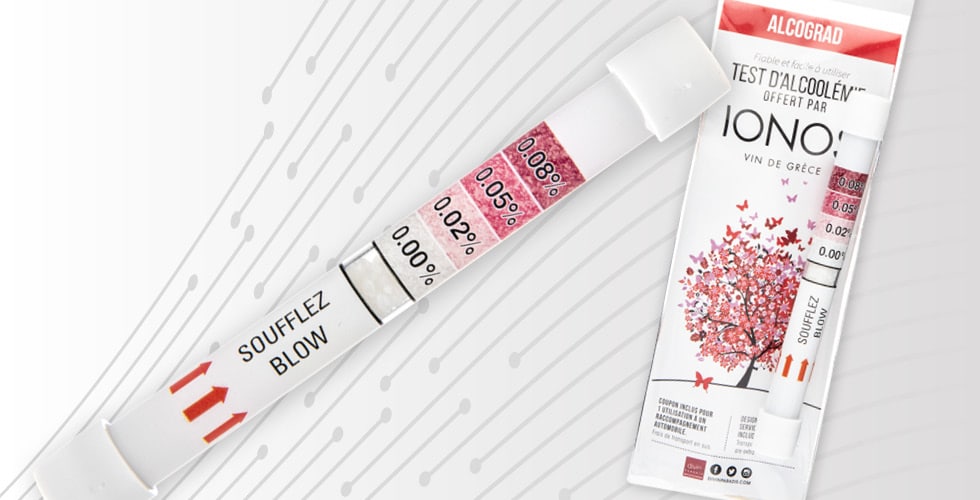
That’s why it’s crucial to rely on objective tools such as professional-grade breathalyzers. These devices detect alcohol in the workplace accurately, removing the guesswork and bias from human observation.
Implementing random testing supported by a clear and fair policy protects both the company and its employees.
The Truth About Alcohol in the Workplace: A Collective, Not Individual, Risk
Alcohol in the workplace doesn’t just affect the person who drinks — it impacts the entire organization:
- It endangers coworkers’ safety
- It reduces team productivity
- It damages the company’s reputation
The costs of alcohol use at work often appear in the form of absenteeism, lower performance, and workplace tension. Acting early helps protect employees and preserve the organization’s integrity and efficiency.
How to Build a Strong Workplace Prevention Culture
An effective approach relies on three key pillars: clarity, training, and proper tools.
- Establish a clear policy: Define acceptable behaviors, testing procedures, and disciplinary measures.
- Train managers and employees:
- Equip yourself with reliable detection tools such as professional breathalyzers or the SOBRCheck device to promote a credible, modern prevention culture.
FAQ
1. Is it legal to drink alcohol at work in Canada?
Not during regular working hours. There may be exceptions for corporate events, but the employer remains legally responsible for safety.
2. Can an employer test an employee for alcohol?
Yes — if outlined in a clear, justified policy (after an incident, reasonable suspicion, or return from leave). Tools like SOBRCheck make this process easier and faster.
3. Which training program is most suitable?
Alco Prevention Canada’s workplace training programs can be adapted to the organization’s size, roles, and specific risk levels.
4. What are the warning signs of alcohol problems at work?
Frequent lateness, forgetfulness, mood changes, repeated errors, or social withdrawal.
5. How can you discuss the topic without stigmatizing employees?
Focus on health, prevention, and mutual respect rather than punishment.
Conclusion
Alcohol in the workplace is not a minor issue — it’s a collective challenge that demands a clear and proactive response.
By debunking these myths, organizations can foster a culture of safety, care, and accountability.
Educating, informing, and equipping teams helps create a healthier and more productive work environment.
With the professional training programs and reliable detection tools offered by Alco Prevention Canada, every company can take concrete action to prevent the risks associated with alcohol in the workplace.

About Stéphane Maurais – Founder of Alco Prevention Canada
Since 1989, Stéphane Maurais has embodied passion, innovation, and determination in the service of road safety and the prevention of risks related to alcohol and drug use. Alongside his partner Ronald Chartrand—whose father tragically lost his life in a traffic accident in the 1970s—he founded Alco Prevention Canada, now recognized as a global leader in prevention solutions. These include certified single-use breathalyzers, electronic breath alcohol testers, drug screening tests, workplace health and safety programs, and event-based prevention tools.
Over a 36-year career, Stéphane Maurais has distributed millions of breathalyzers, helped save thousands of lives, and raised awareness among companies, government agencies, law enforcement, colleges, and universities around the world. He is also a pioneer in the fight against chemical submission, developing concrete tools to combat date rape drugs.
His commitment is unwavering:
“Every breath measured is a life protected. For 36 years, my mission has been simple: to save lives, one decision at a time.”
— Stéphane Maurais
Founder and President, Alco Prevention Canada