Rapid Saliva Tests vs. Urine Analysis: Which One Should Your Company Choose Today?
Workplace safety has become a top priority for Canadian businesses. With rising concerns about substance use, organizations are seeking reliable, fast, and compliant solutions to protect employees and reduce risks. Among these solutions, two methods dominate: the saliva test and urine analysis. So, which type of test should companies prioritize today? Each method has its strengths, limitations, and recommended contexts of use. This article provides a professional, clear, and practical comparison to help you make the right choice.
1. Why Compare Saliva Tests and Urine Analysis?
In sectors where vigilance, safety, and compliance are essential (manufacturing, transportation, logistics, construction, private security, etc.), drug testing programs have become common practice. Companies use these strategies to:
- reduce accident risks
- ensure a safe working environment
- meet legal and regulatory obligations
- support vulnerable employees
- strengthen their internal prevention culture
Given these needs, two approaches stand out: the saliva test—more recent and increasingly popular—and the urine test, used for decades. The choice depends less on the popularity of a product and more on your objectives.
2. Saliva Test: Definition, How It Works, and Reliability
A saliva test detects the presence of drugs in saliva using a simple and fast collection method. It is designed to identify recent consumption, often within the last minutes to a few hours depending on the substance.
How Does a Saliva Test Work?
A collection swab is placed inside the mouth. Saliva saturates the membrane and reacts with test antibodies. Results typically appear within 5 to 10 minutes.
Detection Window for Saliva Tests
- Cannabis: 5 to 12 hours
- Cocaine: 5 to 24 hours
- Amphetamines / methamphetamines: 6 to 48 hours
- Opiates: 6 to 48 hours
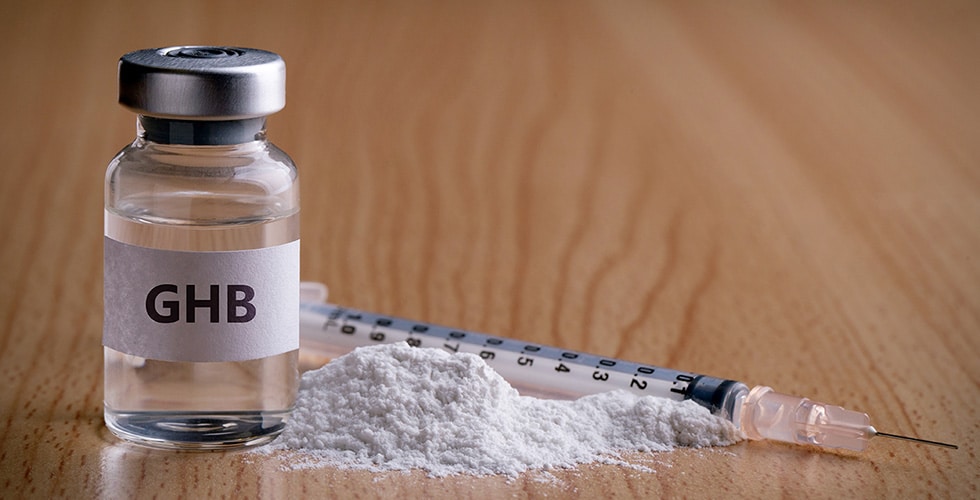
- GHB: not detectable with current rapid tests
- PCP, MDMA: varies depending on technology
Reliability of Saliva Tests
Modern saliva tests—such as the Vericheck saliva test—offer high accuracy when used correctly. They are particularly effective for determining whether an employee is under the influence at the time of the test, which is the priority in most workplace situations.
Recommended Product: Vericheck Saliva Test
- Ideal for rapid screening
- Very easy to use
- Results in 10 minutes
- Detects the most common drugs
3. Urine Test: Definition, How It Works, and Use Cases
Urine analysis is the oldest and most widely used method in businesses. It offers a longer detection window, ideal for identifying past consumption.
How Does a Urine Test Work?
The user provides a urine sample in a container. The sample is analyzed using a rapid test. Results are available in 3 to 5 minutes.
Detection Window for Urine Analysis
- Cannabis: 3 to 30 days depending on use frequency
- Cocaine: 2 to 4 days
- Opiates: 2 to 4 days
- Amphetamines: 1 to 4 days
- MDMA: 1 to 4 days
- Benzodiazepines: several days
When Should a Urine Test Be Used?
- Employee follow-up in assistance programs
- Pre-employment screening
- Post-treatment screening
- Intensive screening programs in high-risk environments
Recommended Products: Tcup and Vericheck Urine Tests
- Tcup urine test: multi-substance, simple, cost-effective
- Vericheck urine test: multi-substance, high precision, ideal for recurring tests
4. Advantages of Saliva Tests in the Workplace
The saliva test is particularly valued for:
Simplicity: No private room is required. The test can be performed in front of a supervisor, reducing the risk of fraud.
Non-intrusive Process: Employees generally accept a saliva test more easily than a urine test.
Speed:
Results are obtained quickly—ideal for:
- immediate interventions
- post-incident testing
- situations where recent consumption is suspected
Operational Relevance: It evaluates the employee’s current state, not their past consumption history.
5. Advantages of Urine Testing in the Workplace
Despite the rising popularity of saliva tests, urine tests still offer key benefits:
Long Detection Window: Perfect for follow-ups or highly sensitive positions.
Detection of More Substances: Some urine tests detect a wider range of drug categories.
Cost-Effective: Ideal for companies that conduct multiple tests per month.
Proven Accuracy: A long-established and well-documented method.
6. Limitations of Both Methods
Limitations of Saliva Tests
- Shorter detection window
- Slightly higher cost
- Reduced sensitivity to THC in some models
Limitations of Urine Tests
- Considered intrusive
- Requires a private space
- Higher risk of fraud
- May detect old consumption unrelated to current performance
7. Which Test Should Your Company Choose? (Practical Guide)
The right choice always depends on the context.
For Post-Incident Testing
→ Saliva test: immediate detection of current impairment.
For Random Testing
→ Saliva test: simple, fast, and hard to contest.
For Pre-Employment Screening
→ Urine test: provides a more complete picture.
For Return-to-Work Evaluations
→ Saliva or urine test, depending on your protocol.
For Long-Term Follow-Up (Assistance Programs)
→ Urine test: long detection window and consistent accuracy.
8. Product Focus: Which Test for Which Need?
Vericheck Saliva Test
- Fast detection
- Ideal for post-incident and random tests
- Reliable for common substances
Tcup Urine Test
- Multi-substance screening
- Excellent cost-value
- Perfect for regular testing programs
Vericheck Urine Test
- Superior accuracy
- Suitable for strict environments
- Detects multiple substances over several days
9. Integrating These Tests Into Your Internal Policy
To ensure consistent and compliant application:
- Clearly define all procedures
- Train supervisors in test administration
- Document each step
- Inform employees about objectives and legal obligations
- Protect employee privacy
- Use certified, reliable testing products
- Store tests properly (temperature, expiry date)
A well-designed policy improves understanding, reduces resistance, and strengthens your safety culture.
10. FAQ
1. Are saliva tests legal in the workplace?
Yes, as long as it is part of a clear internal policy and complies with Canadian legislation.
2. What is the detection window for a saliva test?
From a few minutes up to 24–48 hours depending on the substance.
3. Can saliva tests and urine tests be combined?
Yes. Many companies use both depending on the situation.
4. Can a saliva test detect GHB?
No, no reliable rapid saliva test currently detects GHB.
5. Are Alco Prevention Canada tests reliable?
Yes, they are certified, trusted by thousands of businesses, and offer excellent accuracy.
Conclusion
There is no single solution that fits all businesses. The saliva test and urine analysis are two complementary tools. For organizations looking to limit real-time risks, the saliva test is increasingly the preferred choice. For environments requiring long-term monitoring, the urine test remains essential.
The key is choosing a testing method that fits your reality—safe, compliant, and easy to implement—using professional-grade tests such as those offered by Alco Prevention Canada.
About Stéphane Maurais – Founder of Alco Prevention Canada
Since 1989, Stéphane Maurais has embodied passion, innovation, and determination in the service of road safety and the prevention of risks related to alcohol and drug use. Alongside his partner Ronald Chartrand—whose father tragically lost his life in a traffic accident in the 1970s—he founded Alco Prevention Canada, now recognized as a global leader in prevention solutions. These include certified single-use breathalyzers, electronic breath alcohol testers, drug screening tests, workplace health and safety programs, and event-based prevention tools.
Over a 36-year career, Stéphane Maurais has distributed millions of breathalyzers, helped save thousands of lives, and raised awareness among companies, government agencies, law enforcement, colleges, and universities around the world. He is also a pioneer in the fight against chemical submission, developing concrete tools to combat date rape drugs.
His commitment is unwavering:
“Every breath measured is a life protected. For 36 years, my mission has been simple: to save lives, one decision at a time.”
— Stéphane Maurais
Founder and President, Alco Prevention Canada