4 Common Mistakes Employers Make with Workplace Alcohol and Drug Prevention
Workplace alcohol and drug prevention is a critical issue for businesses, regardless of their size or industry. Each year, alcohol or psychoactive substance use is responsible for workplace accidents, absenteeism, and internal conflicts. These situations are costly for organizations, both financially and in terms of employee well-being. Despite growing awareness, many employers still make mistakes that undermine the effectiveness of their prevention efforts. Understanding these pitfalls is essential to building a solid prevention strategy that protects both employees and the company.
1. Neglecting to Establish a Clear Prevention Policy
The first and most common mistake is failing to implement a clear, official policy on workplace alcohol and drug prevention. Some companies rely on informal practices or vague rules, which can create ambiguity.
Consequences of a vague policy
- Employees are unsure of what is permitted or prohibited.
- Supervisors lack clear guidelines for intervention.
- In case of a dispute, the employer may be held liable.
Concrete example
If an employee is involved in a workplace accident after consuming substances, they may contest disciplinary measures if the policy was not clearly communicated. The absence of a written policy undermines the employer’s credibility.
How to avoid this mistake
- Develop a clear, simple policy tailored to your industry.
- Define prohibited behaviors, employee responsibilities, and consequences for non-compliance.
- Ensure ongoing communication: postings, meetings, and inclusion in the employee handbook.
2. Believing that One-Time Awareness is Enough
Many employers think that an occasional memo or internal reminder is enough to address the issue. This is a common prevention mistake. Standalone awareness efforts on workplace alcohol and drug use have limited impact if not supported by effective tools.
The limits of isolated reminders
- They do not encourage long-term behavioral change.
- They overlook new employees joining the company.
- They fail to address the evolving landscape of substance use (cannabis, fentanyl, prescription drugs).
An effective approach for your teams
Workplace alcohol and drug prevention is far more effective when supported by structured, interactive tools. A webinar format allows you to engage all employees at once, in a clear and accessible way.
Our Workplace Impairment Awareness Webinar helps employees understand the real impact of alcohol and drug use at work, provides practical guidance, and encourages open discussion on the right behaviors to adopt.
3. Failing to Integrate Screening and Monitoring Tools
Another common pitfall is relying solely on awareness without incorporating screening measures. Yet, these tools are essential to strengthen workplace alcohol and drug prevention.
Frequent mistakes
- Conducting tests too infrequently.
- Not training the staff responsible for testing.
- Using tools that are not suited to the workplace context.
Employer consequences
- Difficulty proving problematic substance use.
- A sense of unfairness among employees.
- Legal risks if procedures are not compliant.
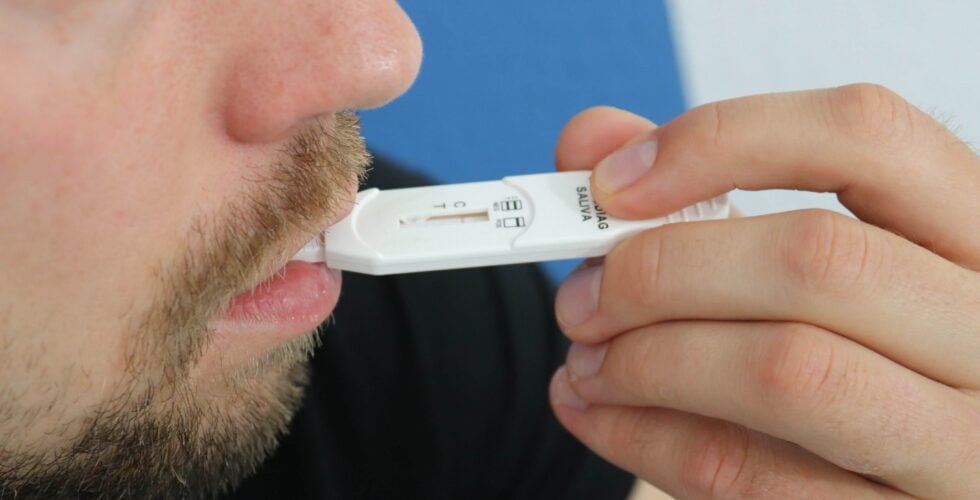
Key workplace screening tools
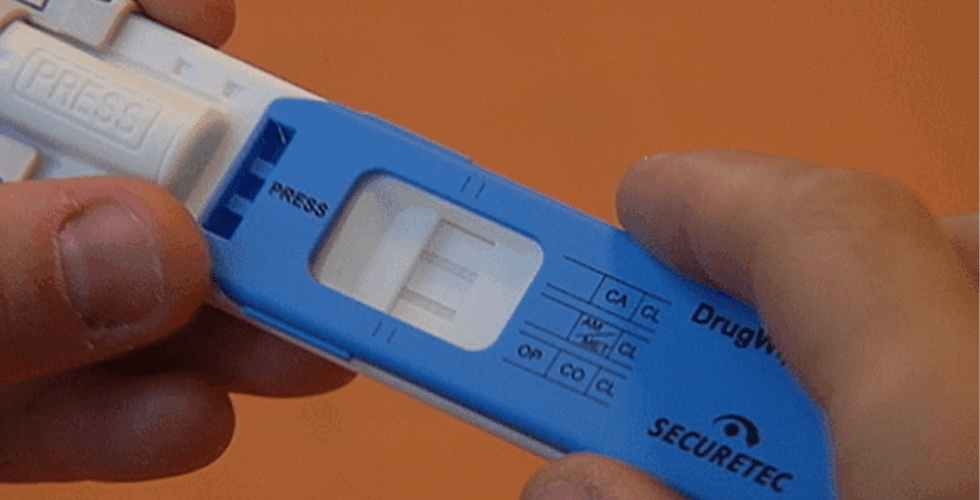
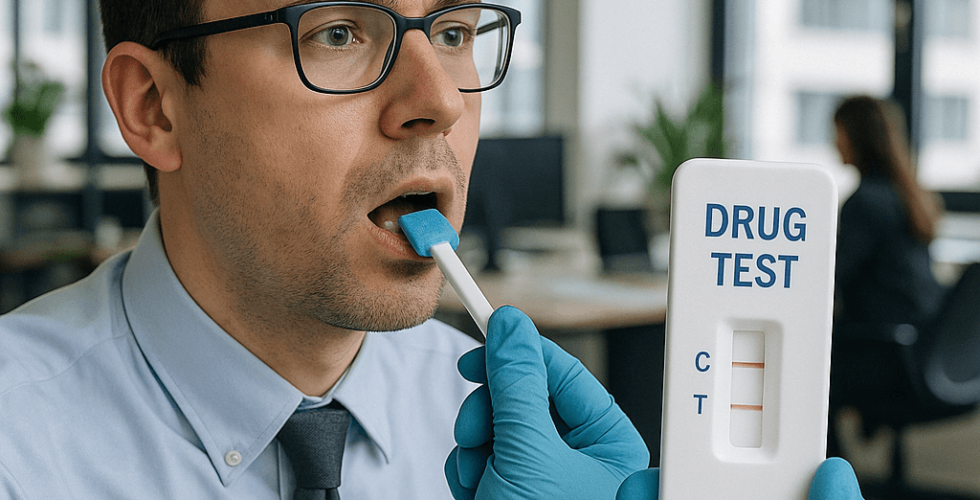
- Simple and fast, providing immediate detection of major substances.
- Ideal for random or on-the-spot checks.
- Non-invasive and easy to administer.
- Highly reliable and sensitive.
- Can detect past consumption over a longer period.
- Recommended for regular monitoring or pre-employment testing.
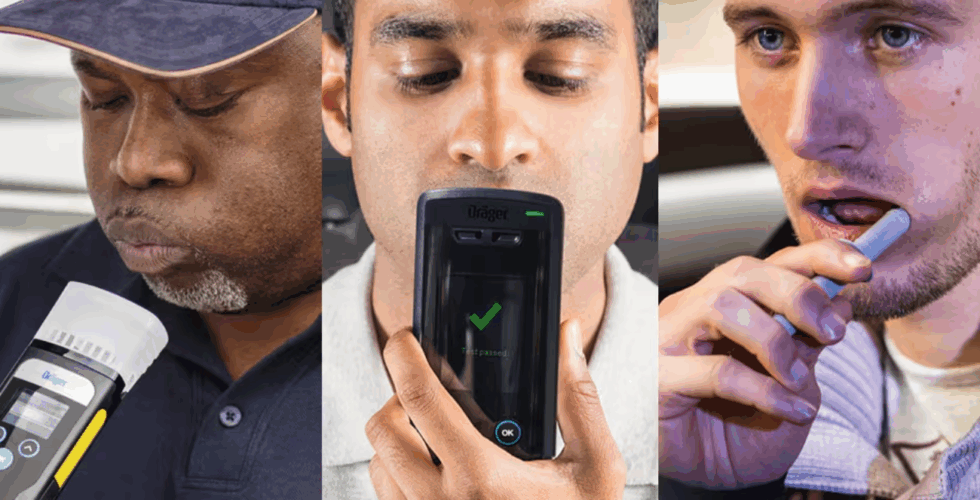
- High-performance devices for measuring blood alcohol levels.
- Suitable for industries where alcohol poses a direct risk (transportation, construction, manufacturing).
- Allow rapid intervention in case of doubt or incident.
4. Underestimating the Importance of Training Managers and Supervisors
Supervisors are on the front line when it comes to enforcing policies and identifying risky behaviors. Yet many employers make the mistake of not training them properly.
Why train managers in workplace alcohol and drug prevention?
- They must be able to recognize signs of problematic use.
- They need to intervene fairly and respectfully.
- They ensure consistent application of prevention measures.
Key training programs for managers
1. Substance Abuse Prevention and Management in the Workplace
- Raises awareness of the scope of the issue and its impact.
- Teaches how to detect impaired employees.
- Explains intervention procedures and legal considerations.
- Provides hands-on knowledge of detection and testing tools.
2. Administration of Saliva Drug Tests
- Teaches proper procedures for administering and interpreting tests.
- Covers the rights and obligations of both employer and employee.
- Reduces errors and ensures compliance.
3. Workplace Alcohol and Drug Use
- Explores the scope and consequences of workplace substance use.
- Provides legal frameworks and appropriate responses.
- Offers concrete tools to act lawfully when incidents occur.
4. Psychotropic Substances in the Workplace
- Helps identify employees under the influence of substances.
- Differentiates observable signs related to specific drugs.
- Prepares supervisors to act appropriately and knowledgeably.
The Consequences of These Mistakes for Employers
Overlooking these aspects of workplace alcohol and drug prevention leads to serious consequences:
- Human: accidents, burnout, deterioration of workplace climate.
- Financial: absenteeism, reduced productivity, higher insurance premiums.
- Legal: increased employer liability in case of incidents linked to substance use.
How to Avoid These Mistakes and Build Effective Prevention
To implement a solid prevention strategy:
- Establish a clear and well-communicated policy.
- Offer ongoing training to both employees and managers.
- Use reliable and appropriate screening tools.
- Maintain regular follow-up and adjust practices to evolving risks.
FAQ
What are the risks for employers without a workplace alcohol and drug prevention program?
Accidents, productivity loss, legal disputes, and reputational damage.
How often should training or awareness sessions be held?
At least once a year, with regular refreshers and onboarding for new employees.
Which types of screening tests are most suitable for workplaces?
Saliva tests for quick checks, urine tests for longer-term detection, and breathalyzers for alcohol-related risks.
How can managers be better prepared to handle these situations?
Through specialized training on intervention, screening, and understanding substances.
What are the first signs of problematic substance use in an employee?
Behavioral changes, declining performance, frequent tardiness, irritability, or unusual physical symptoms.
Conclusion
The 4 most common mistakes in workplace alcohol and drug prevention may seem minor, but their consequences are significant. A vague policy, insufficient awareness, lack of screening, and untrained managers all put employee health and safety at risk while exposing the company to serious liability.
Investing in a comprehensive prevention strategy—including training and reliable tools—is not just a moral obligation but also a cost-effective decision that protects your teams and strengthens organizational performance.

About Stéphane Maurais – Founder of Alco Prevention Canada
Since 1989, Stéphane Maurais has embodied passion, innovation, and determination in the service of road safety and the prevention of risks related to alcohol and drug use. Alongside his partner Ronald Chartrand—whose father tragically lost his life in a traffic accident in the 1970s—he founded Alco Prevention Canada, now recognized as a global leader in prevention solutions. These include certified single-use breathalyzers, electronic breath alcohol testers, drug screening tests, workplace health and safety programs, and event-based prevention tools.
Over a 36-year career, Stéphane Maurais has distributed millions of breathalyzers, helped save thousands of lives, and raised awareness among companies, government agencies, law enforcement, colleges, and universities around the world. He is also a pioneer in the fight against chemical submission, developing concrete tools to combat date rape drugs.
His commitment is unwavering:
“Every breath measured is a life protected. For 36 years, my mission has been simple: to save lives, one decision at a time.”
— Stéphane Maurais
Founder and President, Alco Prevention Canada